Neck Pain: Causes, Prevention and the Role of Sleep
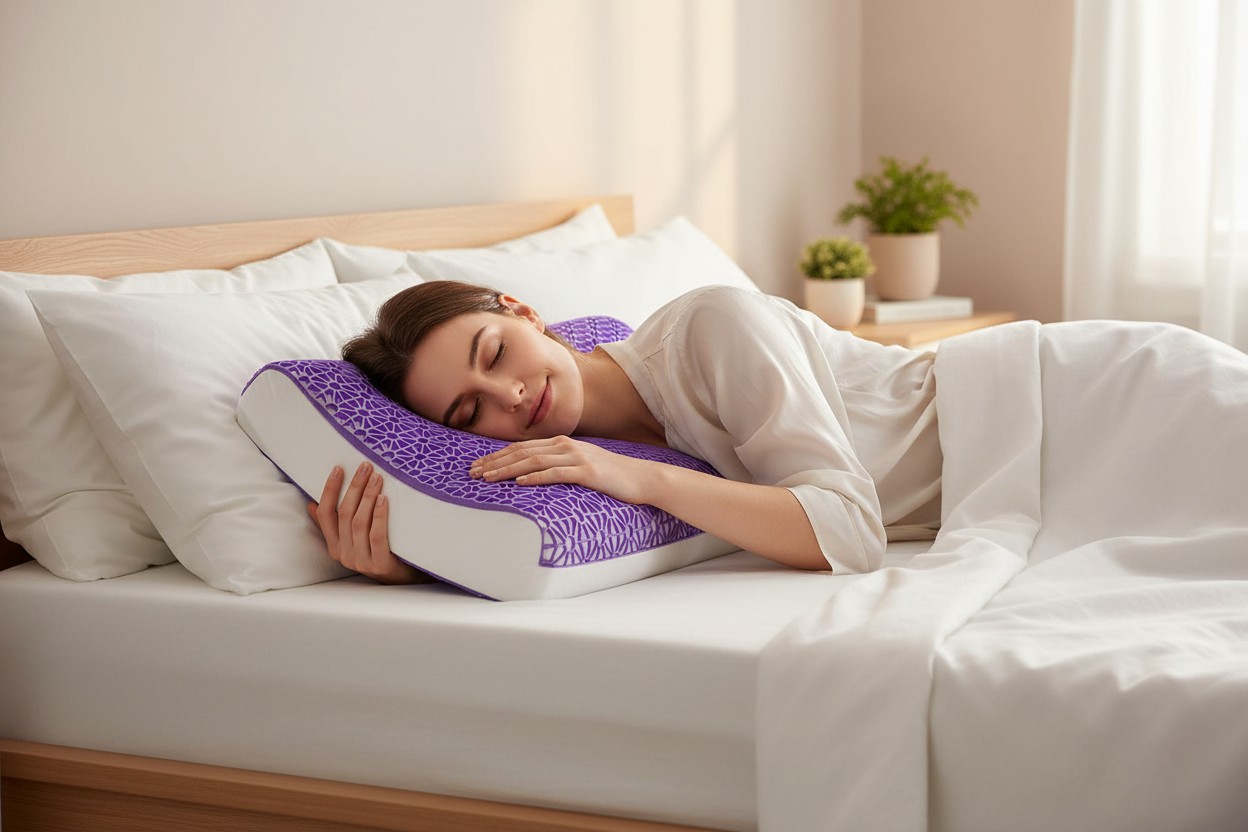
Neck pain is one of the most frequent complaints among those looking to improve the quality of their rest. Often associated with tension built up during the day, this feeling of discomfort is also closely linked to the way the body rests during the night. Choosing a pillow able to follow the natural curve of the cervical spine is one of the most decisive factors in preventing this type of discomfort.
In this article, we explore the main causes of neck pain, how to treat a stiff neck effectively and how a sleep system designed down to the last detail can turn your nights into a true recovery experience.
What causes neck pain?
The cervical spine is one of the most sensitive structures of the human body, responsible for supporting the weight of the head and allowing a considerable range of movement. This combination of mobility and demand makes it particularly vulnerable to imbalances.
Among the most common causes are prolonged incorrect postures, accumulated stress, which translates into muscle tension, and above all the positioning of the head and neck during sleep. When the pillow does not offer adequate alignment, the muscles remain contracted for hours, with no chance to truly relax.
How to treat a stiff neck effectively
A stiff neck is characterised by an acute muscle spasm that significantly limits the mobility of the head. In the first hours, moderate heat applied to the area helps to relax the contracted muscles, while gentle, progressive movements, without forcing the range of motion, aid recovery.
However, true prevention begins long before the discomfort appears. Cervical support that respects the natural curve of the spine, such as the Visco Cervical pillow or the Grid Gel 3D Cervical pillow, considerably reduces the likelihood of waking up with this feeling of stiffness, by keeping the head and neck in a neutral position throughout the night.
Sometimes the discomfort goes beyond ordinary muscle tension. Inflammation of the neck nerve, also associated with cervical radiculopathy, occurs when a nerve is compressed or irritated, causing pain that can radiate to the shoulder or arm, sometimes accompanied by tingling.
In the face of persistent or intense symptoms, assessment by a health professional is always the most advisable step.
Neck muscle pain and the role of sleep
It is during deep sleep that the muscles have a real opportunity to relax and recover from accumulated tension. When this process is interrupted by a misaligned posture, neck muscle pain tends to recur night after night, becoming a cycle that is hard to break.
A well-designed sleeping environment, combining a suitable pillow with a pocket spring mattress offering firm, uniform support, allows the whole spine, from the neck to the lower back, to rest in balance, with no points of localised tension.
How to prevent neck pain
Preventing neck pain is essentially a matter of precision. Every detail of the sleep system should be designed to follow the anatomy of the sleeper:
- Anatomical cervical support: the Grid Gel 3D Cervical pillow adapts precisely to the shape of the neck and nape, relieving points of tension;
- Balanced firmness: a mattress that respects the natural curve of the spine avoids postural compensations that are reflected directly in the neck area;
- Appropriate headboard elevation: a well-positioned headboard encourages a more relaxed posture when you read or rest before falling asleep;
- Thermoregulating materials: breathable fabrics and materials contribute to continuous sleep, without awakenings that force abrupt changes of position.
At Monarch Royal Bedding, we understand that true luxury lies in attention to detail. A sleep system designed with precision, from the cervical support to the structure of the mattress, is what allows the body to wake free from unnecessary tension, night after night.