Micro-Awakenings During Sleep: Why Do You Wake Up Several Times a Night?
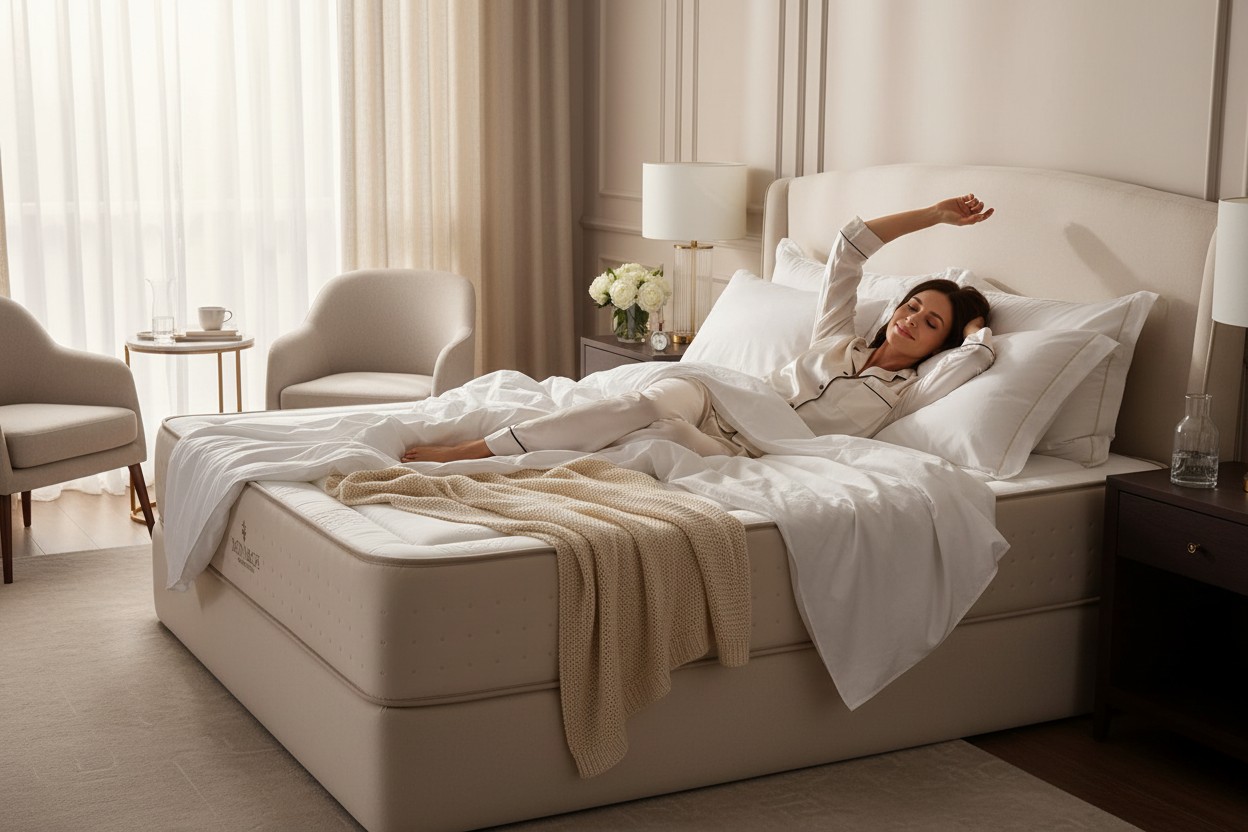
Did you sleep for eight hours but wake up feeling that your rest was only half done? The problem is not always the number of hours you spend in bed. Sometimes it is the small interruptions throughout the night that stop sleep from being as continuous and restorative as it should be.
Some of these interruptions are long enough for you to remember them the next morning: you woke up hot, heard a noise, changed position or simply opened your eyes without knowing why. Others are so brief that they can go unnoticed.
We are talking about micro-awakenings during sleep, small interruptions that can happen naturally throughout the night, especially in the transitions between different sleep stages. The problem arises when they become too frequent and begin to fragment your rest.
Understanding why they happen and identifying what may be interrupting your nights is the first step towards enjoying peaceful, truly restorative sleep again.
What are the main causes of night-time awakenings?
There is no single explanation. Sleep is influenced by the body, by emotional state and also by the environment around us.
Stress and anxiety, for example, can make continuous rest difficult. Even after falling asleep, a state of heightened alertness can encourage awakenings throughout the night.
Habits before bed also have an influence. Consuming caffeine too late, drinking alcohol close to bedtime, eating very heavy meals or using screens until the moment you fall asleep can interfere with the quality of your rest.
Then there are much simpler factors that we sometimes overlook: a room that is too warm, light, noise, an unsuitable pillow, the movements of someone sleeping next to us or simply an uncomfortable sleeping surface.
That is precisely why, when you wake up several times during the night, it is worth looking not only at your routine, but also at the environment in which you sleep.
Can waking up several times a night be related to the bedroom environment?
A comfortable bedroom should allow us to almost forget about it while we sleep. When something is wrong, such as too much heat, noise, light or discomfort, the body can react.
Temperature deserves particular attention. To fall asleep, the body naturally lowers its internal temperature. An excessively warm room, bed linen that does not breathe well or a mattress that accumulates too much heat can make this process more difficult and contribute to awakenings during the night.
If you often wake up hot or sweating, it is worth reviewing not only the temperature of the bedroom, but also the materials in contact with you while you sleep.
At Monarch Royal Bedding, the technology applied to rest aims precisely to create a more balanced experience. The Grand Sublime Sense Mattress, for example, combines pocket springs with graphene memory foam and profiled foam. Graphene contributes to heat dissipation, while the spring structure and profiled foam promote air circulation inside the mattress.
If heat often interrupts your nights, you can also find out in our article “Thermal Regulation in Sleep: The Secret to Sleeping Without Heat” why temperature has such an influence on the quality of rest and which materials can help create a cooler bed.
Can a partner's movements cause interrupted sleep?
Sharing a bed also means sharing movements. A change of position, getting up during the night or simply having different sleep rhythms can be enough to disturb the rest of the person next to you.
This is where independence of movement becomes important.
In a pocket spring mattress, each spring reacts individually to the pressure applied to that area. In this way, movement tends to stay more localised, reducing its transmission to the other side of the bed.
For couples, this characteristic can help create a more stable sleeping surface that is less sensitive to a partner's movements.
Models such as the Grand Sublime Majestic Mattress use precisely this kind of independently working pocket spring, combined with HR foam and memory foam to provide stability, conforming to the body and reduced pressure points.
Because a truly premium rest experience also means being able to sleep next to someone without feeling every movement.
How to avoid night-time awakenings and sleep more continuously?
There is no formula capable of eliminating every awakening, not least because waking briefly during the night can be part of the normal functioning of sleep. The aim should be to create conditions that favour peaceful rest and to reduce whatever may be needlessly interrupting it.
Start with regularity. Going to bed and waking up at roughly the same time helps the body establish a more consistent sleep rhythm. As bedtime approaches, reduce your exposure to intense stimuli and create a calmer transition between day and night.
Also look at the bedroom. Is it dark and quiet enough? Is the temperature comfortable? Does the bed linen allow the body to breathe? Does the mattress still offer the support you need?
And do not overlook comfort. A truly comfortable bed should allow the body to relax without the need to constantly look for a new position.
These are seemingly small details, but it is precisely the sum of these details that turns simply “sleeping” into a true rest experience.
When should you worry about waking up several times a night?
Waking occasionally during the night is common. However, if the awakenings are very frequent, last a long time, make it hard to fall back asleep or are significantly affecting your energy and wellbeing during the day, it is important not to attribute everything to the mattress or the bedroom environment.
There are sleep disorders and other health conditions that can also cause frequent awakenings. Heavy snoring, waking with a feeling of breathlessness or experiencing excessive sleepiness during the day are examples of situations that warrant seeking advice from a health professional.
Improving the sleeping environment can contribute to more comfortable nights, but it does not replace a professional assessment when there is a persistent sleep problem.
Continuous sleep is essential for truly restorative rest
The best rest is the kind that happens naturally. Lying down, finding comfort and only becoming aware of the time again when morning arrives.
Micro-awakenings can be part of a normal night, but when you wake several times or feel that sleep is no longer restorative, it is worth understanding what may be interrupting it.
Sometimes the answer lies in habits. At other times, in the environment, the temperature or the comfort of the bed. And when there is a persistent cause, seeking specialist advice is always the right choice.
At Monarch Royal Bedding, we believe that true luxury is not only in what you see or feel when you lie down. It lies in the quality of the hours that follow: comfort, tranquillity and a rest experience inspired by the best hotels.