Sleep: Frequently Asked Questions and Tips for Sleeping Better
Understanding the biology of rest is the first step for anyone looking to learn how to sleep better. Sleeping well is not a luxury, but a vital investment in your health and wellbeing.
In this article, we explore frequently asked questions about sleep and share tips for sleeping with the quality your body demands.
Sleep: a wellbeing perspective
According to the World Health Organization, sleep is a physiological state essential for physical and mental balance. It is one of the fundamental pillars of health, alongside balanced nutrition and physical activity. To reach this state of fulfilment, it is necessary to respect the body's natural cycles.
The architecture of sleep: REM and NREM
For those looking for how to sleep better at night, it is crucial to understand that sleep is divided into two states:
- NREM: Made up of three stages that deepen relaxation and physical recovery;
- REM: Where memory consolidation and emotional balance take place. This is where the mind regenerates.
The stages of the night cycle
A complete sleep cycle lasts about 90 minutes. Ensuring that these cycles are not interrupted is the secret to sleeping better:
- Transition: The start of relaxation;
- Light Sleep: Preparation for deep rest;
- Deep Sleep: Where muscle and cell regeneration takes place;
- REM Sleep: Intense brain activity and dreams.
Sleep disorders: an obstacle to performance
The problem is not always the number of hours, but the quality of sleep. Conditions such as insomnia (difficulty falling or staying asleep), sleep apnoea or restless legs syndrome are among the most common sleep disorders.
These disorders can seriously compromise your quality of life and, consequently, your productivity, mood and long-term health.
Frequently asked questions and tips for sleeping better
How to sleep better?
Turning your bedroom into a refuge of tranquillity requires attention to detail. Follow these tips for sleeping with the elegance and comfort you deserve:
- Sleep Hygiene: Keep a regular routine that respects your circadian rhythm;
- Reduce caffeine: Coffee has a stimulating effect that can last up to six hours;
- Create a night-time ritual: A routine of relaxation, reading, meditation or a hot bath signals to the brain that it is time to rest.
- Luxury Environment: Ensure total absence of blue light (screens) and noise before bed;
- Ergonomic Comfort: The support of your body is the factor that most influences the continuity of deep sleep.
How many hours of sleep should we get per night?
The question of ideal hours of sleep is frequent among our customers. Although it varies with individuality and age, the standard of excellence is between 7 and 9 hours per night.
Does the mattress influence sleep?
Many wonder whether the mattress really influences health. A mattress provides spinal alignment and relieves pressure points, allowing total immersion in rest.
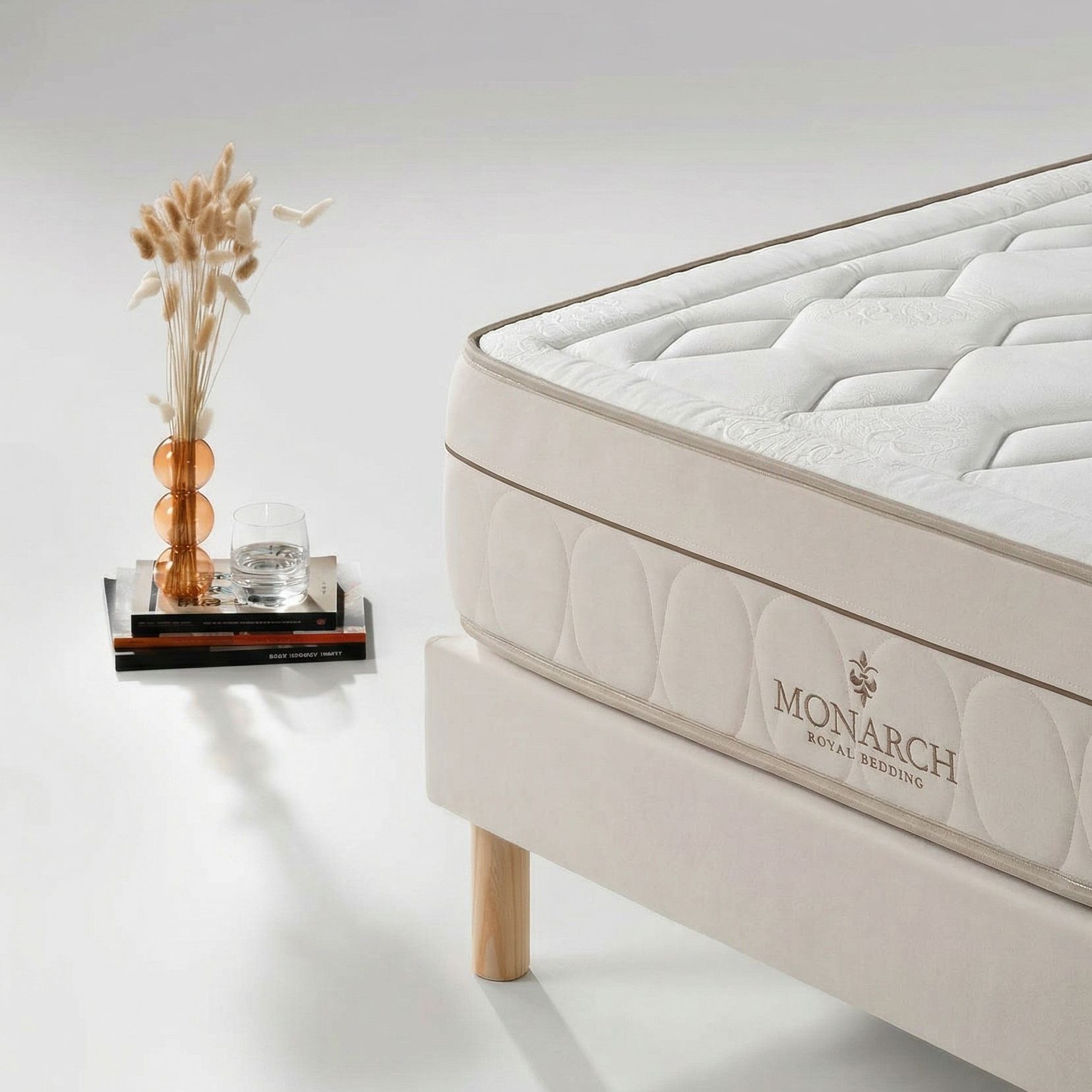
If you want to know how to sleep better at night, choosing noble materials and support technology is the decisive step. At Monarch Royal Bedding we offer a variety of options, from foam mattress models to pocket spring mattresses for the ideal ergonomic comfort. We complement your sleep experience with pillows and duvets , perfectly integrated into the distinction and robustness of our beds and headboards.