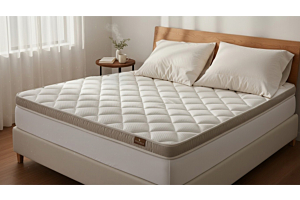
Mattress Adaptation Time
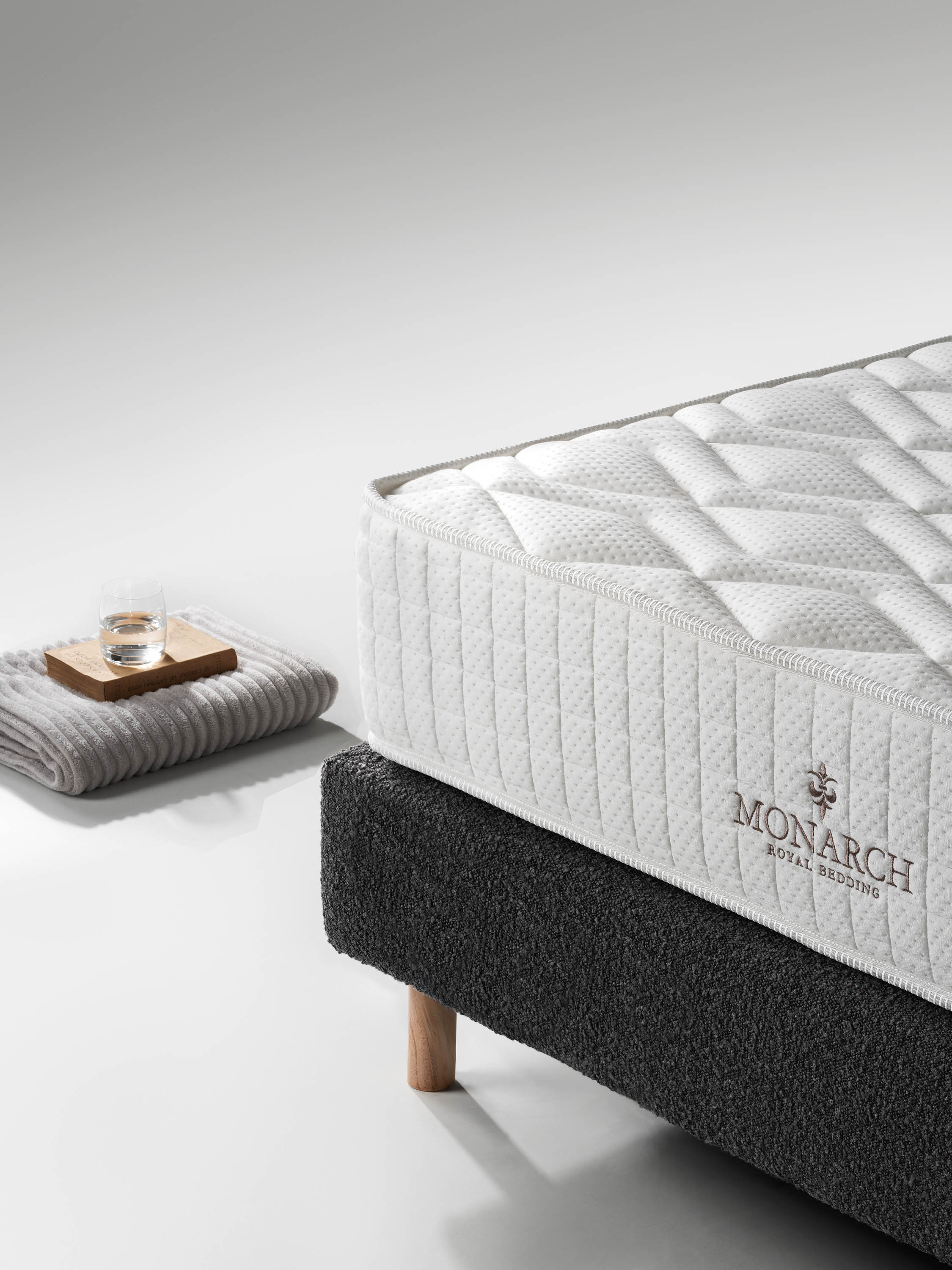
The adaptation time for a mattress can vary from person to person and, in some cases, take longer than expected. Even so, this is a natural and essential process for ensuring restorative rest.
Replacing your mattress is one of the most important decisions for your health and wellbeing. However, many people do not know exactly how long a mattress lasts, when they should replace it or how long it takes to adapt to a new mattress.
In this article, we explain everything you need to know to ensure a comfortable transition.
How long does it take to adapt to a mattress?
The adaptation time for a mattress normally varies between 5 and 10 nights, and in some cases may extend to around 2 weeks.
This period depends on several factors, such as:
- The condition of the old mattress;
- The difference in firmness between the old and the new mattress;
- The individual sensitivity of the body.
If you have bought a new double mattress or a new single mattress, it is important to understand that your body needs time to adjust to a new sleeping surface — especially if the new mattress offers more support and ergonomics.
Why does the body need to adapt?
For years, your body adapts to the irregularities of the old mattress, even if it no longer offers ideal support.
When you replace your mattress, a natural readjustment takes place:
- The spine returns to correct alignment;
- Pressure points are redistributed;
- The muscles stop compensating for deformations.
This process may cause some initial discomfort, but it is temporary and part of the improvement in sleep quality.
Factors that influence mattress adaptation time
Not all adaptation processes are the same. There are several factors that influence the adaptation time for a mattress:
1. Type of mattress
Foam mattresses and pocket spring mattresses offer different sensations. More ergonomic models may require greater initial adaptation, but provide better long-term support.
2. Firmness level
Changing from a very soft mattress to a firmer one (or vice versa) can prolong the adaptation period.
3. Old mattress
If the previous mattress was deformed or sagging, the body was used to an incorrect posture, which makes adapting to the new mattress more noticeable.
4. Mattress size
Adapting to a new double mattress may differ from adapting to a new single mattress, especially when there is shared movement or new sleep routines.
Tips for speeding up adaptation to a new mattress
If you want to improve your comfort from the first nights, follow these recommendations:
- Use the mattress consistently: avoid alternating between the old and the new mattress, which could delay adaptation;
- Invest in a good sleeping pillow: the pillow is fundamental for cervical alignment and complements the comfort of the mattress;
- Adjust comfort gradually: if necessary, you can temporarily use a mattress topper or softer bed linen for the first few days.
- Keep a regular sleep routine: going to bed and waking up at the same time helps the body adapt more quickly.
When adaptation does not happen: is it time to replace the mattress?
If after several weeks you still feel significant discomfort, it may be important to reassess your choice.
The problem is not always adaptation, and may even be related to:
- Inadequate firmness level;
- Lack of support;
- Choice of materials poorly suited to your sleep profile.
In these cases, replacing the mattress should be seen as an opportunity to find the ideal solution for your rest.
The lifespan of a mattress varies between about 5 and 7 years.
High-quality models are designed to maintain comfort, support and performance for many years. Even so, signs such as deformation, discomfort or poor sleep quality indicate that it may be time to consider a new investment.
The adaptation time for a mattress is a natural — and temporary — phase on the way to higher-quality rest.
At Monarch Royal Bedding, every mattress is developed with high-quality materials, providing an exceptional comfort experience, night after night.